As a foster volunteer with a dog rescue here in Georgia, I’ve learned that every adoption story is a little different. Some are smooth and heartwarming, and others… well, they remind us that adoption isn’t just about choosing a cute dog. It’s about committing to a process of growth—for both the dog and the family.
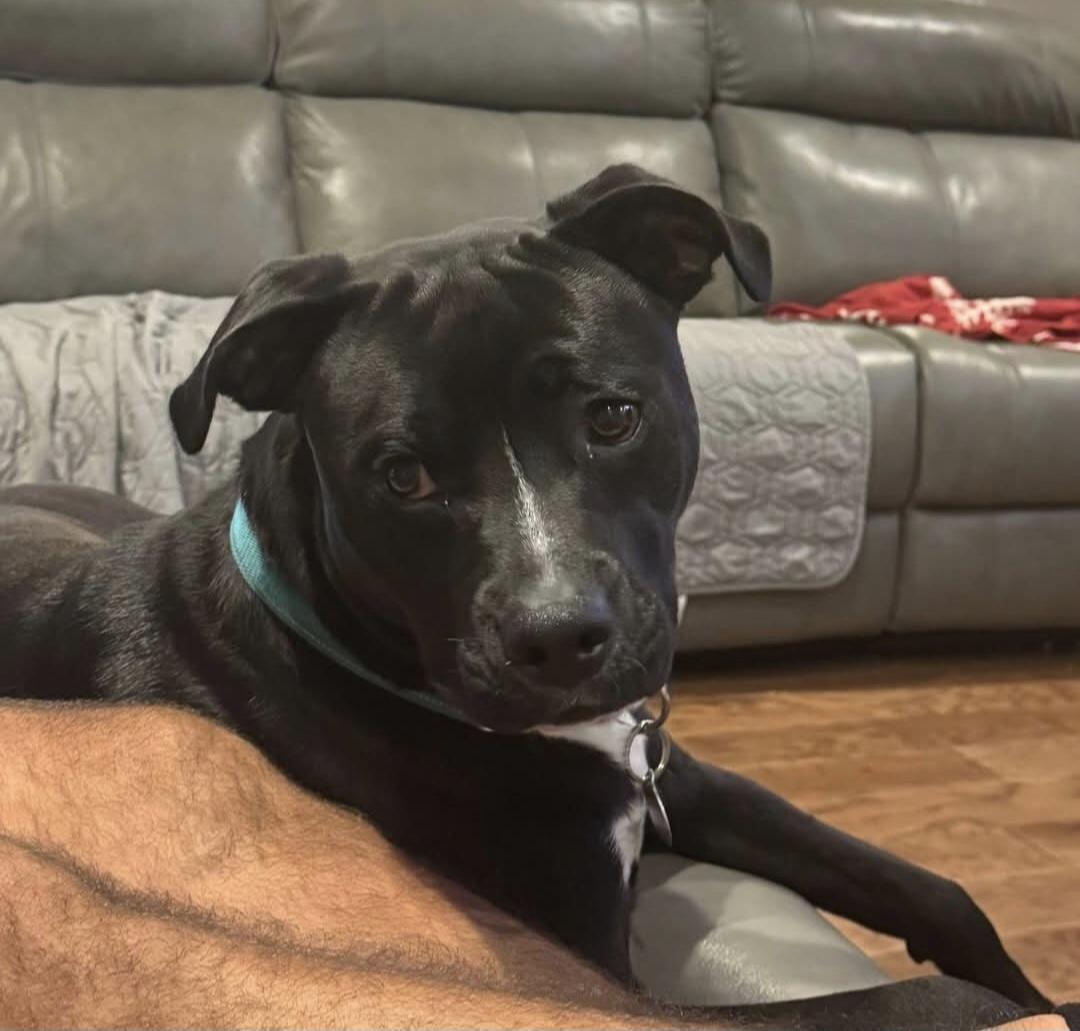
This story began with one of my fosters, Hansel. An adopter was interested in him, but after talking with her, I realized he wasn’t the right fit. Hansel needed something she wasn’t quite prepared to offer. Instead, her 11-year-old son picked another dog, Micah, and they took him home. At first, it seemed like the happy ending every foster dreams about.
But three days later, the rescue leader got a call. Things weren’t working. Micah was “too dominant” with her son. This boy—a big, strong kid—ended up locking himself in his room just to get away from the dog.
Here’s an important detail: this adopter wasn’t new to dogs. In fact, she had owned many dogs throughout her life. She believed she knew what to expect and how to handle it. But even with all her experience, she was at a loss. And that’s where the lesson comes in: sometimes when we feel like we already know it all, life has a way of showing us our blind spots.
Dog ownership, like leadership, is a never-ending learning process. Just because we’ve “done it before” doesn’t mean we stop learning or that the next situation won’t challenge us in new ways. Micah was that challenge. He asked for a different kind of leadership than her past dogs required, and instead of leaning into growth, she resisted it.
The Email That Sparked Inspiration
When I heard about the situation, I asked to be looped in. I wrote an email to the adopter, offering perspective and encouragement. I explained that the first few weeks with any new dog are critical. Less freedom, more structure, and strong leadership help the dog settle. I also reminded her that dogs don’t just show up as companions—they often show up as teachers.
Micah, I told her, might actually be here to help her son grow. If he could learn to stand calmly, set boundaries, and lead with quiet authority, Micah would respond. And those skills—resilience, confidence, leadership—would serve the boy far beyond his relationship with this dog.
The family agreed to give Micah another chance. For a moment, I thought, yes, this could work.
But three weeks later, Micah was back in rescue care.
The Keynote Effect
That email I wrote? It was heartfelt, inspiring, and full of possibilities. But looking back, I realize it was a lot like a keynote speech. You know the kind—when a dynamic speaker steps on stage, paints a vision of what’s possible, and for 45 minutes everyone feels on fire. People leave the room inspired and ready to change the world.
And then Monday morning rolls around.
Emails pile up. Meetings get scheduled. Old habits return. And that spark of inspiration? It fizzles.
That’s what happened here. The adopter and her son were briefly inspired, but without consistent support, accountability, and practice, they slipped back into old patterns. The leader of our rescue even went to their home twice to show them what to do. But still, the change didn’t stick.
Because inspiration doesn’t equal transformation.
Why Coaching Matters

In both dog adoption and leadership development, there’s a simple truth:
-> Inspiration without follow-through can fade back into old habits.
-> Coaching plus commitment leads to transformation.
If this family had reached out for ongoing support—if they’d committed to coaching and practice—I believe Micah would still be with them today. They would have learned how to channel his energy, how to set boundaries, and how to turn a frustrating dynamic into a powerful bond.
And the son would have walked away with more than a pet. He would have gained life skills—confidence, resilience, presence—that no video game, no classroom, and no quick adoption can teach.
But that requires willingness. Change always does. And sometimes the hardest part is setting aside what we think we already know in order to stay open to growth.
The Leadership Lesson
The same principle applies in the workplace. A keynote or workshop can spark excitement. Your team leaves buzzing with ideas. But without ongoing coaching, training, and accountability, most people go right back to their old ways. Real growth doesn’t happen in a one-off moment of inspiration. It happens through repetition, guidance, and the courage to change.
Micah’s story isn’t about failure—it’s about a missed opportunity. And it’s a reminder that whether you’re adopting a dog or leading a team, the real magic happens when you commit to the process and allow coaching to turn inspiration into transformation.
✨ Takeaway: Inspiration is the spark, but coaching keeps the fire alive.
Closing Note
In my Dog-Gone Leadership programs, we go beyond inspiration. Through ongoing workshops, coaching, and reflections on the human-dog bond, we create transformation that’s practical, engaging, and memorable. Just like dogs teach us patience, presence, and leadership, we use those lessons to help professionals and teams create lasting impact.
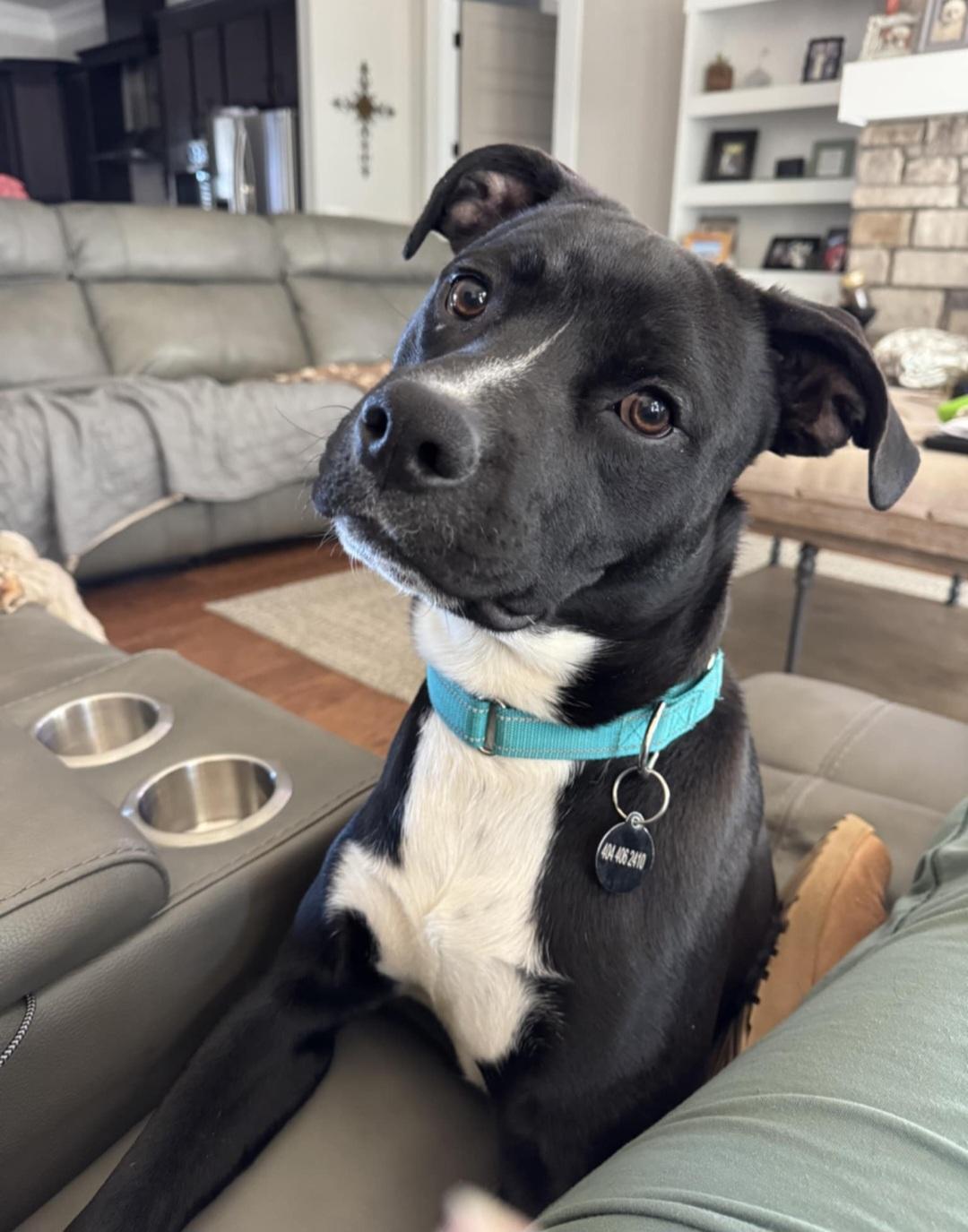
And as for Micah? He’s still looking for his forever home. If you’re in Georgia and are interested in meeting him, you can find his profile on PetFinder here. Who knows—he may just be waiting to teach you the next great lesson.