
ABOUT IRIS GRIMM
Leadership Changes What Becomes Possible.
For more than 25 years, I’ve partnered with business owners, executives, physician leaders, attorneys, and leadership teams as they navigate the complexity of leadership.
The way we lead isn’t shaped only by what we know.
It’s revealed in how we show up.
In our conversations, our decisions, our relationships, and our responses to uncertainty.
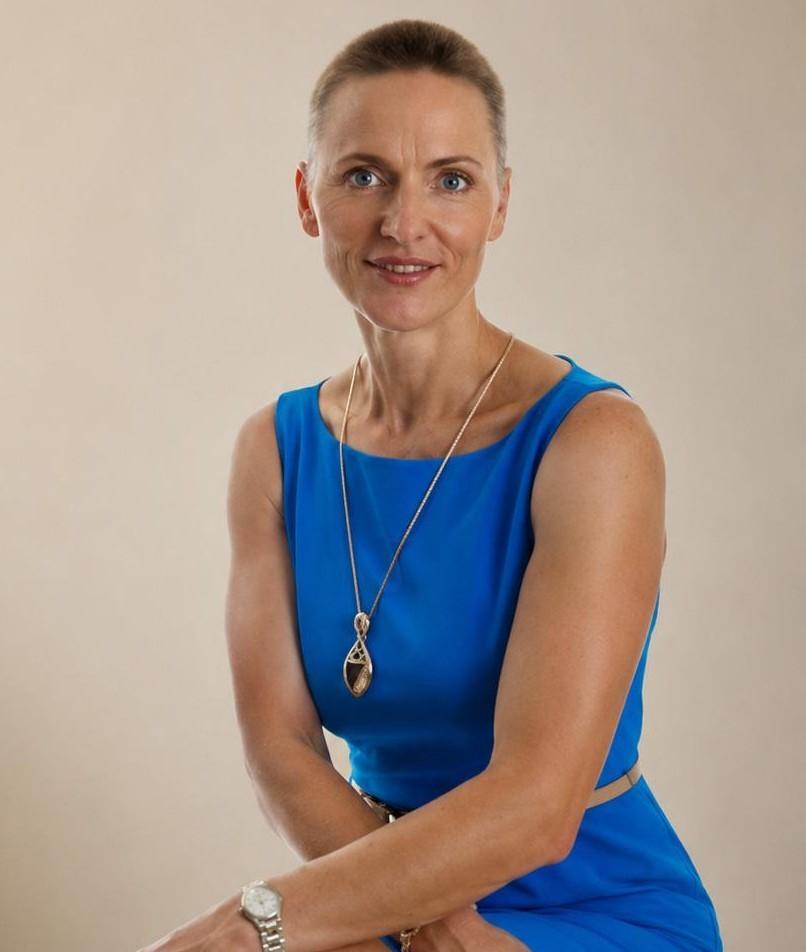
Across industries, organizations, and roles, I’ve observed something remarkably consistent. Leadership challenges rarely stem from a lack of intelligence, expertise, or commitment. More often, they arise from how people think, behave, communicate, make decisions, and respond when the stakes are high.
That’s why I believe leadership is behavior. Those behaviors influence trust, collaboration, culture, and ultimately the results we achieve.
Helping leaders recognize those patterns—and navigate them with greater clarity, confidence, and intention—has become the focus of my work.
The perspective I bring wasn’t shaped by one role, one industry, or one defining experience. It evolved over time through professional experience, personal growth, and years of observing human behavior in environments where communication, relationships, and leadership become visible in unexpected ways.
01 – PERSPECTIVE
Where My Perspective Began
The way I observe leadership today was influenced long before I became a coach.
Growing up in East Germany, where people had to think carefully about what they said and how they expressed themselves, I learned to pay close attention to people—what they said, what they didn’t say, how decisions were made, and how relationships shaped outcomes.
At the same time, that experience gave me a deep appreciation for the freedom to think independently, express ideas openly, and take responsibility for how we show up.
That perspective still shapes the way I work with leaders today. It reminds me that what influences leadership is often not only what is said, but also what remains unspoken.
02 – OBSERVATION
What Shaped My Work
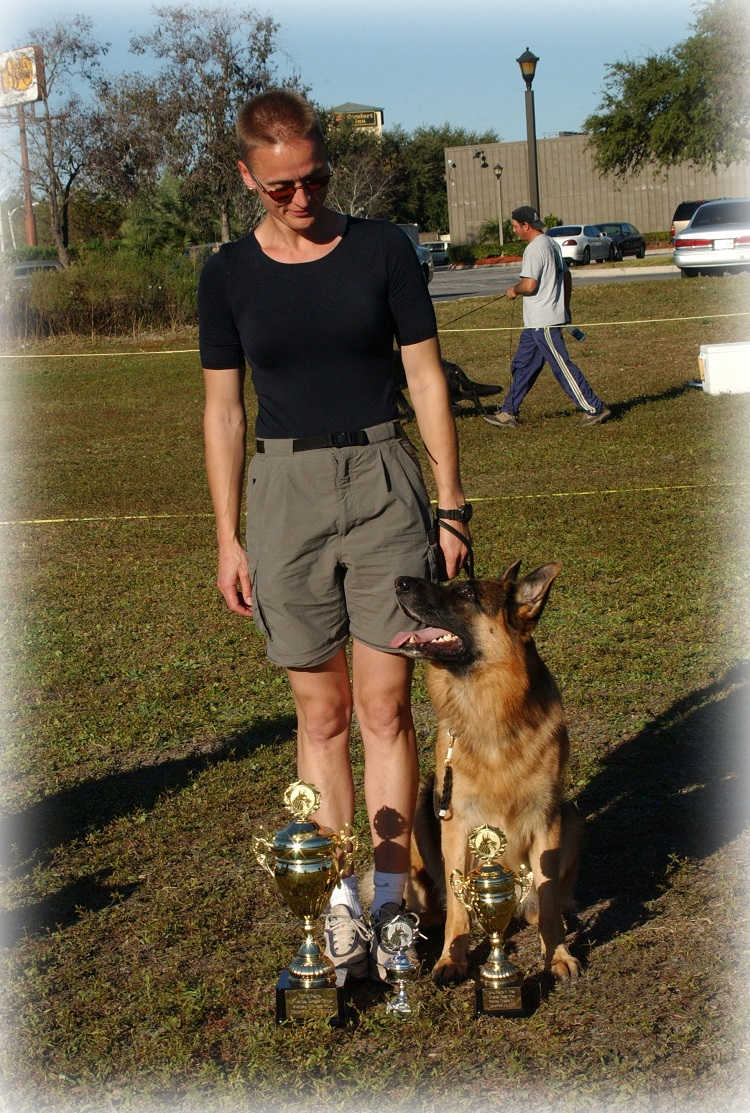
One of the most unexpected influences on my work began with my first dog, Cito, a German Shepherd.
Training and competing with Cito taught me far more than I ever expected. It sharpened my ability to observe behavior, communication, and the subtle ways our own actions influence the responses of others.
That experience eventually led me into rescue work and fostering, where every dog brought a different history, temperament, and way of interacting with the world.
Across all of those experiences, one lesson remained consistent.
Dogs don’t respond to titles or intentions. They respond to how you show up in the moment.
Over time, I realized the same is true in leadership. We often think leadership is about knowledge, position, or authority. But more than anything, it’s reflected in our behavior—how we communicate, respond under pressure, build trust, and influence those around us.
That realization eventually became the foundation of my TEDx talk, where I explored how dogs can help us recognize aspects of leadership that are often easy to miss.
CURIOSITY
03 – CURIOSITY
A Commitment to Learning
One of my mentors once said that coaching is one of the few professions where personal growth is a prerequisite for professional success.
That has stayed with me throughout my career.
I can’t expect leaders to embrace change, challenge long-held assumptions, or develop new ways of thinking if I’m not willing to do the same.
That’s why I’ve continued to invest in my professional and personal development through executive coaching, Conversational Intelligence®, emotional intelligence, neuroscience, facilitation, and other disciplines that deepen my understanding of how people think, communicate, and lead.
Beyond formal training, practices such as meditation, silent retreats, continual self-reflection, and time in nature have strengthened my ability to remain present, notice patterns, and respond thoughtfully rather than react automatically.
Learning isn’t something I completed years ago. It’s an ongoing commitment that continues to shape both who I am and how I serve my clients.
04 – THE WORK
What This Means for You
Every experience I’ve had, every client I’ve worked with, and every opportunity to continue learning has shaped the way I partner with leaders today.
I don’t bring a single-industry perspective or a one-size-fits-all framework. I bring an experienced perspective, thoughtful questions, and an ability to recognize patterns that are often difficult to see when you’re in the middle of leading.
My role isn’t to tell you what to do.
It’s to create the space for you to think more clearly, see new possibilities, and move forward with greater confidence and intention.
Clarity changes conversations.
Conversations change decisions.
Decisions change relationships.
And leadership begins to feel different.
Experience
Watch the talk →
How it Starts
The best way to know whether we’re the right fit is through a conversation.
We’ll talk about what’s happening in your leadership, the challenges you’re navigating, and what you’re hoping to achieve. I’ll ask questions, share observations, and help you think through your situation from a different perspective.
Sometimes that conversation is all someone needs. Other times, it becomes the beginning of a coaching partnership.
If it feels like the right next step for both of us, we’ll design an approach that fits your goals, your role, and your organization.
Either way, you’ll leave our conversation with greater clarity than when you arrived.